You rarely think about your spine until something goes wrong. One sudden fall. One road accident. One wrong movement. And suddenly, simple actions like standing up, bending, or even sleeping become painful. A spinal injury does not just affect your body. It affects your confidence, your routine, and your peace of mind. When you are told that you have a spinal fracture, fear often comes first. You worry about surgery, long recovery, or whether life will return to normal. The truth is simpler and more hopeful than most people expect. With the right diagnosis and proper orthopedic care, many spinal fractures heal well.
This guide helps you know what is spinal fracture, how spine fracture happens, and how experienced orthopedic treatment in Ghaziabad can help you recover safely and steadily.
What is spinal fractures?
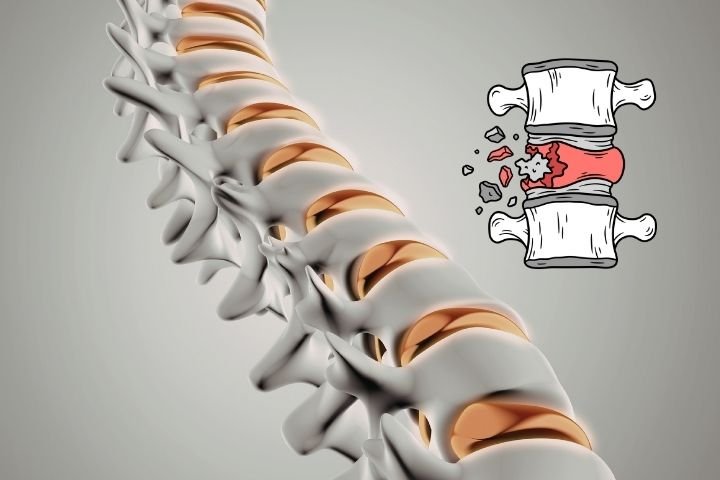
Your spine is not a single bone. It is a chain of small bones called vertebrae, stacked carefully to support your weight and protect your spinal cord. When one or more of these bones cracks, collapses, or shifts, you are dealing with spinal fractures.
Some fractures are small and stable. Others are complex and risky. The real concern is not just the broken bone but whether the spine remains aligned and whether nerves are affected. This is why early evaluation matters so much.
Causes of Spinal Fractures and why it happens often?
Spine injuries are not limited to major accidents. Many patients are surprised to learn how common these fractures are.
Road traffic accidents remain a leading cause, especially when safety belts or helmets are not used properly. Falls from stairs, rooftops, or construction sites also cause serious injuries. In older adults, weakened bones make fractures possible even after a minor slip. Sports injuries and heavy lifting without proper posture can damage the spine as well.
Knowing the cause helps a spine orthopedic doctor in Ghaziabad choose the best treatment for fracture repair asap.
Different types of spinal fractures
Every fracture behaves differently. Doctors rely on spine fractures classification to understand stability, nerve risk, and healing potential.
Compression Spine fractures
A spine fracture compression occurs when a vertebra collapses under pressure. You may feel sudden back pain or notice your posture changing. This is common in people with bone weakness and often affects the lower spine.
Burst Spine fractures
In this injury, the vertebra breaks into several pieces. These fragments can press against nerves. This type often follows high-impact trauma and needs close medical attention.
Flexion-related fractures
These fractures happen when your spine bends sharply forward, such as during a car crash. Bones and ligaments may both be injured, making recovery slower.
Spine Fracture with dislocation
This is the most serious form. The bone breaks and moves out of place. The spinal cord is at high risk, and treatment must be immediate.
How the location of the Spine fracture changes everything
The spine is divided into sections. Where the fracture occurs affects symptoms and treatment.
Cervical spine injuries
A cervical spine fracture affects your neck. You may experience neck pain, stiffness, headaches, or weakness in your arms. Because this area controls breathing and movement, careful handling is essential.
Thoracic spine injuries
These fractures occur in the middle of your back. Pain often increases with movement or deep breathing. Stability is usually better here, but treatment still requires precision.
Lumbar spine injuries
Lumbar vertebrae fractures affect the lower back. This area supports most of your body weight. Pain while standing or walking is common, and recovery needs patience and support.
Some Symptoms of Spine trauma fracture you should never brush aside
Pain is usually the first thing you notice. It could be sharp, dull, or getting worse when you move. You may feel tightness or stiffness in the muscles around the hurt area. Numbness, tingling, weakness in the arms or legs, or trouble walking are more serious signs. If you lose control of your bladder or bowels, you need to see an orthopedics specialist in UP right away.
How spine doctors in Ghaziabad confirm a spinal fracture?
Listening is the first step in diagnosis. Your doctor wants to know how the injury happened and what symptoms you have. A physical exam checks how well you can move and how your nerves respond.
X-rays show how the bones are lined up. CT scans show broken bones in great detail. MRI scans are useful for checking out nerves, discs and soft tissues. A skilled orthopedic doctor in Ghaziabad uses these results to plan safe care
Orthopedic Treatment in Ghaziabad UP
No two patients are treated the same way. Treatment depends on fracture type, stability, age and lifestyle
Spine fracture treatment without surgery in Ghaziabad
Most of the time stable fractures heal on their own. You might need to rest, take painkillers and wear a brace to support your spine. Gradual physiotherapy makes you stronger and more flexible. Follow-ups make sure that bones heal in the right place
Spine fracture surgery treatment in Ghaziabad UP
Orthopedic surgery in Ghaziabad may be needed for unstable fractures or nerve damage. Modern fixation methods are used in surgery to stabilize the spine. Choosing a well-equipped Bone hospital in Ghaziabad makes sure that recovery is safe, accurate and organized
Life after recovery
Once you’re better it’s up to you to stay that way. Eat well to keep your bones strong. Learn how to lift safely. Don’t put too much strain on your back all at once
Regular visits to your orthopedist in Ghaziabad will help keep your spine healthy
A broken spine can change your life but it doesn’t have to control it. Recovery is possible and realistic with the right help, structured treatment and experienced orthopedic care. If you need reliable spine care see Dr. MS Bajaj for a professional evaluation and treatment. His patient-centered approach helps you get better safely and feel good about going back to your normal life
Frequently Asked Questions
Yes. Many patients recover fully with timely orthopaedic treatment in Ghazibad and proper follow-up.
No. Surgery is only needed when the spine is unstable or nerves are at risk.
Most people return to normal work after healing, depending on job demands.
Healing may take longer with age, but proper care still leads to good results.