
32.5 million adults live with osteoarthritis, yet research shows habitual knuckle cracking does not increase arthritis risk in adults aged 45 years and older
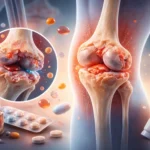
Cracking joints sound occurs when gas bubbles form and collapse inside synovial fluid. This process is called cavitation. It produces a sharp popping sound. The sound alone does not indicate joint damage.
A clinical study involving 300 adults aged 45+ found no direct link between habitual knuckle cracking and hand osteoarthritis. Researchers compared crack frequency with arthritis prevalence and found no statistical association. Painless joint cracking without swelling or stiffness usually reflects normal joint mechanics. Painful cracking with swelling, redness, or restricted motion requires orthopedic test.
In Ghaziabad, patients often ask whether cracking joints and knuckles good or bad depends on frequency. The article discusses joints cracking sound in detail
Why Cracking Joints Sound Happens in Adults
After a joint cracks, it usually takes about 20 minutes before it can crack again due to gas reaccumulation in synovial fluid. Synovial joints contain fluid that lubricates cartilage surfaces. This fluid holds dissolved gases such as oxygen and carbon dioxide. When you stretch or bend a joint, pressure inside the capsule changes rapidly.
Rapid pressure change forms a gas bubble. The bubble collapses and produces the cracking joints sound. This process is called cavitation. Cavitation does not damage cartilage in healthy joints. It explains painless cracking knuckles, cracking elbow joints, and knee popping in many adults.
Age influences joint sounds. After age 50, osteoarthritis risk increases, particularly in knees and hips Cartilage thinning or minor surface irregularities can create grinding or crunching sounds, called crepitus. Crepitus differs from cavitation. It may accompany stiffness or discomfort.
Cracking Knuckles Good or Bad in Ghaziabad Patients?
A study of 300 adults aged 45 years and older found no association between habitual knuckle cracking and hand osteoarthritis
Researchers compared participants who cracked their knuckles regularly with those who did not. They measured arthritis prevalence and hand function. The results showed no increased arthritis risk in habitual crackers.
The same study evaluated grip strength and hand swelling. It found no statistically significant reduction in grip strength linked directly to cracking frequency. This challenges the belief that cracking knuckles causes long-term structural damage.
Repeated forceful cracking may strain soft tissues around the joint capsule. However, current evidence does not confirm cartilage breakdown solely due to habitual cracking.
Cracking Elbow Joints: When It Signals a Problem
Joint sounds without pain usually indicate normal cavitation, especially if the sound occurs only once and does not repeat for about 20 minutes Pain changes the clinical meaning. If elbow cracking is associated with swelling, tenderness, redness, or reduced range of motion, orthopedic consultation in Ghaziabad becomes necessary.
Post-injury cracking requires immediate assessment. A fall on an outstretched arm or direct elbow trauma can injure ligaments or cartilage. Persistent clicking with instability may indicate structural damage. Crepitus differs from cavitation. Crepitus produces a grinding sensation rather than a sharp pop. It may occur in degenerative conditions such as osteoarthritis
If cracking elbow joints occur without pain or swelling, monitoring is sufficient. If cracking accompanies stiffness lasting several weeks, progressive discomfort, or locking, consult an orthopedics specialist in Ghaziabad for physical examination and imaging if required.
Cracking Joint and Arthritis: What Research Shows
Osteoarthritis develops from cartilage breakdown over time. It commonly affects knees, hips, hands, and spine. Researchers compared arthritis prevalence between habitual crackers and non-crackers. They found no statistical increase in osteoarthritis among those who cracked their knuckles frequently.
Cracking joint and arthritis are often confused because both can produce sound. Cavitation produces a sharp pop. Arthritis-related crepitus produces grinding or crunching sensations.
Arthritis diagnosis depends on persistent pain, stiffness lasting weeks, swelling, and reduced joint function. Imaging such as X-rays confirms cartilage loss and joint space narrowing.
Inflammatory arthritis differs from osteoarthritis. It often presents with morning stiffness lasting longer than 30 minutes, joint warmth, and symmetrical joint involvement. Joint cracking alone does not indicate inflammatory disease.
When Is Joint Replacement Needed in Ghaziabad?
Joint replacement becomes necessary when cartilage damage causes persistent pain, stiffness, and functional limitation despite conservative treatment.
Orthopedic doctor in Ghaziabad, UP typically consider surgery when:
- Severe joint pain persists for several months
- Pain interferes with walking, climbing stairs, or daily activity
- Imaging confirms advanced joint space narrowing
- Medicines and physiotherapy in Delhi NCR fail to control symptoms
Cracking joints sound alone does not indicate need for replacement. Surgery decisions depend on structural damage, not joint noise.
Patients should seek evaluation if:
- Knee pain or hip pain limits walking distance
- Night pain disrupts sleep
- Joint deformity becomes visible
- Recurrent swelling persists for weeks
X-rays assess cartilage loss and bone alignment. MRI may evaluate soft tissue or early cartilage damage.
If conservative treatment such as physiotherapy, activity modification, and medication fails after structured follow-up, orthopedic surgeon recommend joint replacement.
An orthopedics clinic in Ghaziabad will evaluate symptom duration, imaging findings, age, and activity level before recommending total or partial joint replacement.
Types of Joint Replacement Surgeries Available
Total knee replacement remains one of the most commonly performed orthopedic procedures worldwide for advanced osteoarthritis in adults above 50 years
Orthopedic surgeons recommend joint replacement when cartilage loss causes persistent pain and functional limitation confirmed on imaging.
1) Total Knee Replacement in Ghaziabad UP (TKR)
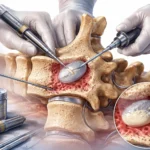
Ortho Surgeons replace the damaged knee joint surfaces with metal and polyethylene components. This procedure addresses severe knee osteoarthritis with joint space narrowing.
2) Partial Knee Replacement
Surgeons replace only one compartment of the knee. This option suits patients with localized cartilage damage and preserved ligaments.
3) Total Hip Replacement (THR)
Surgeons replace the damaged femoral head and acetabulum. Hip replacement treats advanced osteoarthritis causing walking difficulty and night pain.
4) Shoulder Replacement
Surgeons replace arthritic shoulder joint surfaces when stiffness and pain restrict daily movement.
5) Revision Joint Replacement
Surgeons perform revision surgery when a previous implant fails due to wear, loosening, or infection.
Joint replacement surgeries aim to restore joint alignment and reduce pain caused by cartilage loss. Surgery selection depends on joint involved, imaging findings, patient age, bone quality, and activity level.
In Ghaziabad, orthopedic specialists assess X-rays, functional limitation, and treatment history before recommending the appropriate type of joint replacement.
Joint Replacement in Ghaziabad: What Patients Should Expect
Joint replacement in Ghaziabad begins with a structured orthopedic consultation. The orthopedics doctor evaluates symptom duration, pain severity, mobility limitation, and prior treatment response.
Step 1: Clinical Examination
The orthopedic specialist assesses joint alignment, swelling, range of motion, and gait pattern.
Step 2: Imaging Confirmation
X-rays confirm joint space narrowing and bone changes. MRI may evaluate soft tissues if needed.
Step 3: Conservative Treatment Trial
Doctors recommend physiotherapy, weight management, medications, and activity modification before surgery. Surgery is considered only when these measures fail over several months.
Step 4: Surgical Planning
The surgeon selects total or partial replacement depending on cartilage damage, bone quality, and patient age, often above 50 years in osteoarthritis cases.
Step 5: Hospital Stay and Recovery
Most joint replacement surgeries require a short hospital stay. Walking begins within 24–48 hours under supervision. Structured physiotherapy continues for several weeks.
Step 6: Follow-Up
Regular follow-up monitors wound healing, implant stability, and range of motion.
Cracking joints sound alone does not indicate need for surgery. Persistent pain, stiffness, deformity, and reduced mobility determine surgical decisions.
When to Visit an Orthopedics Specialist in Ghaziabad
Joint sounds accompanied by pain, swelling, redness, or reduced range of motion require medical evaluation, especially if symptoms persist for more than several days
Visit an orthopedics specialist in Ghaziabad if you experience:
- Joint pain lasting several weeks
- Swelling that does not reduce with rest
- Stiffness that limits movement
- Locking or catching sensation in the joint
- Instability or giving way while walking
- Night pain that disrupts sleep
- Visible joint deformity
Persistent cracking joints sound with pain may indicate cartilage wear rather than cavitation. Clinical examination and X-ray help confirm diagnosis.
Seek urgent evaluation after injury if elbow, knee, or shoulder cracking follows a fall or trauma. Structural damage requires early assessment.
Patients experiencing severe joint symptoms in Ghaziabad should consult an orthopedics specialist like MS Bajaj for individualized evaluation and treatment planning.