Osteoarthritis affects an estimated 22%–39% of the Indian population, making it one of the most common causes of chronic joint pain in adults (NIH). The condition develops when the cartilage that cushions the ends of bones in a joint gradually wears down, leading to pain, stiffness, and reduced mobility.
Osteoarthritis most frequently affects weight-bearing joints such as the knees, hips, and spine, although the hands may also be involved. In India, knee osteoarthritis is particularly common due to lifestyle factors such as prolonged standing, squatting, and increasing life expectancy.
The disease usually progresses slowly through different stages as cartilage damage increases and joint structures begin to change. The article by Orthopedics in Ghaziabad, Uttar Pradesh shares key insights on osteoarthritis.
What Osteoarthritis Means for Patients?
Osteoarthritis is the most common form of arthritis and occurs when the protective cartilage between joints gradually wears down, leading to pain, stiffness, and limited movement (National Health Portal, Government of India). The condition develops slowly and usually affects adults as they age.
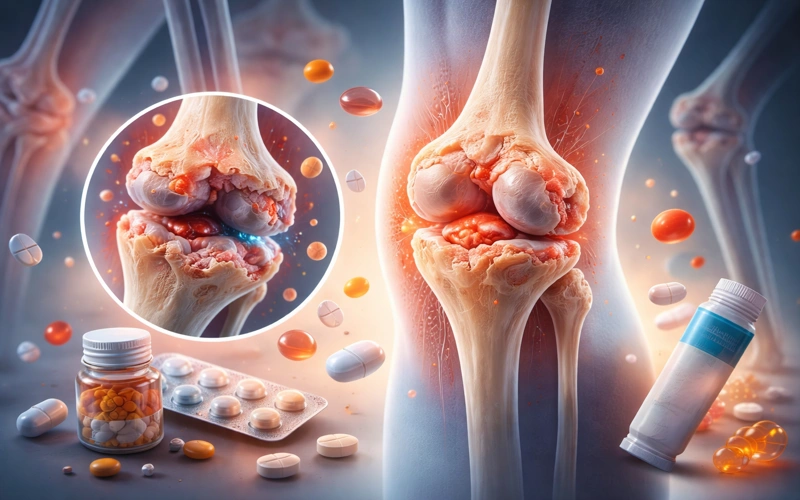
Cartilage acts as a smooth, cushioning layer between bones, allowing joints to move freely during activities such as walking, bending, or lifting objects. In osteoarthritis, this cartilage becomes thinner and rougher over time. As the cartilage deteriorates, bones begin to rub against each other, which can cause inflammation and joint pain.
Common Causes of Osteoarthritis in Patients
Osteoarthritis risk increases significantly after the age of 50 and becomes more common with advancing age, according to the NIH. The disease develops due to gradual wear and tear of joint cartilage over time.
Age-Related Joint Degeneration
Aging is one of the most important causes of osteoarthritis. As people grow older, the cartilage that cushions joints becomes thinner and less flexible, which increases friction between bones. This process commonly affects the knees, hips, and spine.
Excess Body Weight
Body weight plays a major role in osteoarthritis development. Research shows that every 5 kg increase in body weight can raise the risk of knee osteoarthritis progression by about 36%. Extra weight places additional stress on weight-bearing joints, especially the knees.
Previous Joint Injuries
Joint injuries from sports, accidents, or fractures may damage cartilage and ligaments. Over time, this damage can increase the likelihood of developing osteoarthritis in the affected joint.
Repetitive Joint Stress
Certain occupations and daily activities involve repetitive joint movements or prolonged standing, which may accelerate cartilage wear. Activities such as heavy lifting, squatting, or climbing stairs frequently can contribute to joint stress.
Genetic and Lifestyle Factors
Family history may also influence the risk of osteoarthritis. People with genetic predisposition to joint disorders may develop osteoarthritis earlier than others.
Osteoarthritis Grading System Explained
Doctors assess osteoarthritis severity using the Kellgren–Lawrence grading system, which divides the disease into 4 radiological grades based on joint damage visible on X-rays. This grading helps orthopedic specialists in Delhi determine how advanced the disease is and what treatment may be required.
Grade 1: Doubtful Osteoarthritis
Grade 1 represents the earliest stage of osteoarthritis. X-ray images may show very small bone growths called osteophytes, but joint space between bones usually appears normal.
Patients may experience mild joint stiffness or occasional discomfort, especially after physical activity.
Grade 2: Mild Osteoarthritis
In Grade 2 osteoarthritis, clear osteophytes are visible on X-rays, and early narrowing of the joint space may begin to appear. Patients may start noticing joint pain during movement, stiffness after rest, and slight limitations in joint flexibility.
Grade 3: Moderate Osteoarthritis
Grade 3 indicates significant cartilage loss and noticeable narrowing of the joint space. Bone changes become more prominent, and inflammation may develop in the joint.
Patients at this stage often experience:
- Frequent joint pain
- Swelling around the joint
- Reduced mobility during daily activities
Grade 4: Severe Osteoarthritis
Grade 4 is the most advanced stage of osteoarthritis, where cartilage is severely damaged and the joint space becomes extremely narrow. Bone deformity and chronic pain may occur.
Osteoarthritis Stages and Disease Progression
Osteoarthritis develops gradually as joint cartilage deteriorates and structural changes occur in the joint over time. The disease usually progresses through different stages, with symptoms becoming more noticeable as cartilage damage increases.
Early Stage Osteoarthritis
In the early stage, cartilage begins to weaken and lose elasticity, but joint damage is still minimal. Patients may experience mild discomfort, stiffness after rest, or occasional pain during physical activity.
At this stage, symptoms often improve with rest, exercise, and early orthopedic treatment in Ghaziabad.
Moderate Stage Osteoarthritis
As osteoarthritis progresses, cartilage becomes thinner and the joint space between bones starts to narrow. This increases friction within the joint and can lead to inflammation.
Patients may experience:
- Frequent joint pain during movement
- Stiffness after prolonged sitting
- Swelling around the joint
- Reduced flexibility
Daily activities such as walking, climbing stairs, or bending the knee may become more difficult.
Advanced Stage Osteoarthritis
In advanced osteoarthritis, significant cartilage loss exposes the underlying bone surfaces, causing persistent pain and restricted movement.
Patients may develop:
- Severe joint stiffness
- Visible joint deformity
- Difficulty walking or standing for long periods
- Chronic pain even at rest
Osteoarthritis Medicine Treatment in Ghaziabad
Orthopedic treatment in UP for osteoarthritis focuses on relieving pain and reducing joint inflammation rather than reversing cartilage damage. Orthopedic Doctors prescribe medicines based on the severity of symptoms and the stage of the disease.
Paracetamol for Mild Pain
Paracetamol is commonly recommended as a first-line medicine for mild to moderate osteoarthritis pain. It helps reduce discomfort and allows patients to continue daily activities. Doctors usually prescribe paracetamol during the early stages of osteoarthritis when symptoms are intermittent.
Non-Steroidal Anti-Inflammatory Drugs (NSAIDs)
For patients with persistent joint pain and inflammation, doctors may prescribe NSAIDs such as ibuprofen, diclofenac, or naproxen. These medications reduce inflammation in the joint and help improve mobility. However, according to Indian clinical guidance referenced by ICMR, NSAIDs should be taken under medical supervision because long-term use may cause stomach irritation or kidney-related side effects.
Topical Pain Relief Medicines
Doctors may recommend topical NSAID gels or creams that are applied directly to the affected joint. These treatments are commonly used for knee and hand osteoarthritis and can provide localized pain relief with fewer systemic side effects.
Intra-Articular Joint Injections
In moderate cases of osteoarthritis, orthopedic specialists may recommend joint injections such as corticosteroids or hyaluronic acid. These injections help reduce inflammation and improve joint lubrication, which can temporarily relieve pain and stiffness.
Although osteoarthritis cannot currently be completely cured, early diagnosis and appropriate treatment can help manage pain, improve joint function, and slow the progression of joint damage. Treatment strategies may include medication, physiotherapy, lifestyle modification, joint injections, and advanced orthopedic procedures, depending on the severity of the condition.
If you are experiencing persistent joint pain, stiffness, or difficulty walking, consulting an orthopedic specialist is essential for proper diagnosis and treatment.
MS Bajaj Hospital in Ghaziabad provides comprehensive orthopedic care for patients with osteoarthritis and other joint disorders. The orthopedic team evaluates joint symptoms through clinical examination and imaging tests such as X-rays to determine the stage of cartilage damage and recommend the most appropriate treatment.